Lead with Heart: Equine-Facilitated Mentoring for Leaders and Teams
The first time I saw a senior leadership group attempt to lead a steed through a simple pattern, they brought all the practices they used in conference spaces. One leader told like a podcast host, an additional attempted to spread sheet the minute out loud, a 3rd floated with worried energy. The mare, a chestnut with a kind eye, paused, flicked both ears, then wandered toward the quietest person on the fence line. In two minutes, she exposed what it typically takes months of meetings to see. She looked for clarity, not volume. She adhered to harmony, not titles. And when someone took a breath, softened their shoulders, and asked plainly, she moved with them.
That is why equine-facilitated mentoring modifications leaders and groups. Steeds notice what humans frequently miss. They provide objective, instant feedback about the high quality of our existence and the positioning in between objective and action. They do not care about your résumé. They care if you are risk-free to follow.
What equine-facilitated coaching is, and what it is not
Equine-facilitated mentoring rests inside the broader field of equine-assisted solutions, which includes equine-assisted activities, healing horsemanship, and clinical offerings led by qualified specialists. Coaching focuses on specialist and individual growth, not medical diagnosis or therapy. The aim is understanding and skill-building through experiential discovering with steeds. Many training sessions are done on the ground. No riding is needed, and for company groups I generally prohibit it to ensure that leadership and group characteristics stay at the center.
If a customer is seeking mental health and wellness therapy for trauma or scientific anxiety, I refer them to an accredited specialist who uses therapy with steeds. Those services might be described as equine-facilitated wellness in a clinical context. If a person is browsing sensory handling differences or finding out distinctions, we can make targeted equine-assisted mentoring that sustains self-regulation and executive functioning, or we might recommend an autism equine finding out program or ADHD equine discovering assistance in control with proper providers. In other words, the steed job satisfies people where they are, with clear limits around scope.
Why steeds help leaders learn faster
Horses are prey animals with beautiful sensitivity to nonverbal hints. Living as herd pets, their survival depends on reviewing intention, staying hip to, and acting without dramatization. They check heart rate, breathing patterns, muscular tissue tension, the instructions of eyes and feet. Via that lens, they respond to the genuine message instead of the one we say.
When a leader states, Move, yet their body is reluctant, the steed plants its feet. When a supervisor tries to please every person simultaneously, the steed wanders in between alternatives or checks out. When a person holds a constant limit, provides clear direction, and allows option within that structure, the horse kicks back and complies with. It is a workshop without PowerPoint and with more fact than e-mail can hold.
There is additionally a somatic part that class discovering hardly ever accesses. I have viewed an entire exec team settle their breathing to match a gelding's rhythm, then carry that coherent state back to a tough discussion. Somatic recovery with horses is not a magic bullet, however the co-regulation is actual. Heart rate irregularity has a tendency to enhance when people shift into a controlled state. The horse's comments, specifically when facilitated well, offers individuals a really felt feeling of harmony they can duplicate later at their workdesk or on a call.
How a normal session unfolds
We start with safety and security. Boots, safety helmets used, regard for space. I present each steed by name and character. The team learns just how steeds connect: where ears factor, what licking and eating may signal, exactly how a head turn can indicate Yes, No, or Perhaps. We do not flood the herd with intensity. We match the moment.
Then we heat up with low-stakes exercises. Grooming is a preferred. A brush in the hand, the scent of hay, soft hair under your palm. People reduce. A person that never ever quits speaking in meetings becomes quiet and concentrated, and the steed pulls down, sighs, cocks a back foot. We talk about what aided that shift.
Next, we relocate to a job: halter the steed and lead it through a pattern of cones and posts. The direction is easy enough that anybody can attempt, yet intricate enough to reveal patterns. That takes responsibility for quality. Who over-functions and that renounces. How the group manages uncertainty. I provide marginal input in the beginning so the steed can offer the comments. If the equine ices up, nudges, or swings wide, it is info, not failure.
We may build a team barrier, after that ask the group to invite the equine with, without dragging or bribing. They should discuss functions and strategy: That sets direction, that views the rear, who notifications the horse's smallest Try. When it works, you can feel it shift. When it does not, we stop and try once again with fewer words and better timing.
Along the method, we track body experience and breath. We call what was in agreement and where somebody slipped into behavior. Individuals learn to change stress and launch, a foundation of excellent horsemanship and great management. Stress gets a bum rap, however with impeccable timing and fairness, it can produce clarity. The launch, even more than the ask, informs the steed you discovered their effort. In the office, that is the difference in between a never-satisfied employer and a leader that commemorates step-by-step progress.
Skills that actually stick
The barn distills management into a handful of symbolized competencies.
Presence. The horse replies to currently, not your ruminations about last quarter. Leaders exercise showing up in their body, breathing evenly, really feeling feet on the ground. They locate a network of interest that is calm however not taken a look at. When somebody obtains https://edgarchfz474.talesignal.com/posts/seasonal-somatic-stories-year-round-equine-assisted-services spread, the steed makes it clear. When the individual centers, the horse follows.
Clarity of ask. Obscure purpose results in unclear end results. With a thousand-pound mirror at hand, that concept ceases to be a metaphor. Leaders learn to make a single, specific demand, after that wait. Half the breakthroughs I see come from the self-control of one clear ask at a time.
Boundaries with relationship. Steeds trust limits that are firm and kind. Too stiff, and the equine supports. Too mushy, and the horse assumes you are not accountable of safety and security. We exercise stepping into shared space and after that generating, like good conversational turn-taking.
Repair after rupture. Human beings slip and so do steeds. The action of a group is not whether friction takes place however just how swiftly they notice, repair, and reset. Equines forgive quickly when the human modifications. That provides people self-confidence to course-correct without shame.
Consistency. The second time you do something well, the steed begins to rely upon it. Leaders entrust to micro-routines they can duplicate. Breathing before speaking, calling the goal, giving clear launch. Little routines compound.
Team building with horses, minus the fluff
A great day of group structure with horses is not a circus experience or trust loss in camouflage. It is sincere work that brings patterns to the surface without embarrassing anybody. I ask teams to develop the technique for a job, after that perform it with an equine who has an enact the matter. The animal's response puncture politics. If a job supervisor is always pushed into cleaning setting at the office, they will wind up holding the lead rope without back-up. If conflict avoidance is the group's default, the steed will certainly find the gap and delay out. Once individuals see it, they can attempt new moves on the spot.
I typically couple this with short, organized representations back in the tack area. Not the normal What did you discover, but pointed concerns. When did you feel need to over-explain. That tracked threat while others pushed. Where did you observe a minute that desired more silence. The understandings stick since the body really felt them.
I have likewise seen just how these sessions develop psychological safety and security quicker than a day of slides. Not since equines are magic, but because they need authenticity. You can not phony calm for long. When the elderly VP admits, My chest obtained tight when the gelding leaned on me and I wished to pull, it opens up area for real talk about stress at work. Colleagues acknowledge their very own moves and really feel less alone.
Making room for different brains and bodies
Not everyone thrives in a fluorescent-lit training room. Some leaders and learners need movement, responsive input, or peaceful. The sector offers all three. For clients with interest distinctions, ADHD equine discovering support blends clear, step-by-step jobs with immediate responses. The steed apportions focus better than many applications. I have enjoyed a person who struggles to sit still at a desk hold consistent focus for a complete hour, since the task mattered and the comments was alive.
For individuals who refine sensory input in a different way, the barn can be an alternate treatment for sensory difficulties, often as a complement to other assistances. You can modulate stimulations by choosing a silent pasture over a busy sector, by brushing rather than leading, by matching with a horse that relocates softly. I create sessions so individuals can opt in or go back scot-free. Noise-canceling earphones rate. Some customers benefit from heavy vests or longer changes in between jobs. It is not coddling; it is clever design for learning.
Families inquire about an autism equine discovering program, and the response is that equines can sustain social learning and self-regulation when the facilitation is thoughtful and personalized. We focus on easy, constant routines, aesthetic signs, and success experiences. Again, when objectives enter therapy region, we coordinate with licensed medical professionals. I have seen attractive development when the barn joins a bigger circle of care.
On the stress and anxiety front, the barn can provide grounded practice. Stress and anxiety support with horses might resemble practicing breath and body positioning up until an equine's head reduces and their lick-and-chew mirrors your change. That does not change therapy, however it gives distressed minds something truthful to practice. The equine does not court, they just respond.
What the study suggests, and what area method adds
The proof base is expanding but still young. Studies of equine-assisted tasks and equine-facilitated treatments usually come along in self-efficacy, social performance, and law, though example sizes are tiny and methods vary. From a training perspective, the extra appropriate data commonly originate from within companies. Pre and publish 360s, pulse surveys, and retention or engagement metrics tell a sensible story.
In my field notes over a decade and greater than 2,000 participant-hours, I see consistent patterns. Leaders boost their capability to offer one clear ask, teams reduce the loophole between miscue and repair, and people report lugging barn methods right into difficult meetings. I likewise track physical indicators in some cohorts, such as relaxing heart rate and regarded stress and anxiety scales, not as evidence however as a way to keep myself truthful. The effect is not uniform. A few people do not get in touch with steeds. Climate, center top quality, and assistance ability all impact results. Still, the proportion of initiative to understanding is abnormally high.
Co-regulation is an area where scientific research and felt experience meet. When a human changes right into a regulated state, equines usually react within seconds. You can enjoy ears soften and muscular tissues ravel. That is biofeedback you do not need cords to see.
Safety, well-being, and principles that actually protect both species
Good deal with horses begins with good treatment of equines. That indicates audio animals, not excessive used, with turnover, herd time, and veterinary and farrier treatment. It means tasks fit to the horse's training and character. In my program, horses function an optimum of four sessions a week, with a lot of rest days. We retire them from client-facing job when their body or desire says it is time.
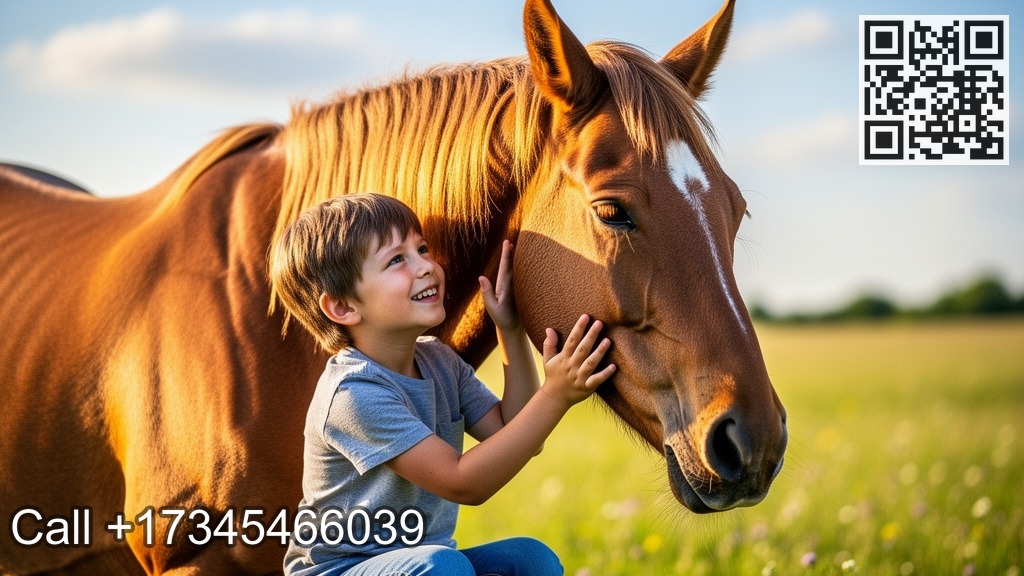
Consent issues. We ask horses, not require them. If a gelding signals No today with constant avoidance, we listen. That is not indulgent. It instructs individuals to acknowledge thresholds in colleagues and in themselves.
Human safety and security is greater than helmets. It is rated direct exposure, tidy assistance, and clear functions. The instructor handles the human knowing and the equine expert enjoys the steed. We rehearse what to do if an equine alarms, we set boundaries around space, and we do not pursue heroics.
We set apart mentoring from treatment at every step. If a customer divulges injury, we provide sources and remain in scope. We use plain language concerning what we can and can refrain. Honesty develops depend on, and people can really feel it.
Two fast devices for picking a provider
- Ask regarding extent and credentials. That trains. That handles equines. Are they trained in equine-assisted training and experienced with groups like yours.
- Observe equine welfare methods. Turnover, herd life, body problem, day of rest. If the horses look closed down or sour, stroll away.
- Clarify safety and security methods. Biker or no riding. Emergency plans. Tools fit. Exactly how they grade tasks by threat and skill.
- Review measurement techniques. How do they specify success. What information do they collect before and after.
- Request recommendations and a site browse through. Talk with a previous customer. Check out the barn. Notification exactly how you and the horses feel there.
How to prepare your team for a barn day
- Wear closed-toe shoes or boots, layers you can move in, and sunscreen. Leave dangling fashion jewelry at home.
- Eat a real breakfast and hydrate. Nerves really feel bigger on a vacant stomach.
- Bring a learning inquiry, not an efficiency objective. Curiosity feeds far better results than perfectionism.
- Expect to be outdoors your comfort area, yet not beyond your capability. You can constantly stop briefly or tip back.
- Plan a 60 to 90 min debrief later that week. Assimilation makes the day worth the investment.
Case notes from the arena
A local bank brought twelve leaders after a merger. The group had actually produced a culture of politeness, which appears kind till you see exactly how it obstructs fact. In the very first exercise, they attempted to lead a steed with a narrow S-turn. Everybody wished to help, so heads and hands crowded the area. The mare pinned her ears and stopped. We reset with two individuals in the pen et cetera outside, each with a particular duty. The 2nd time, the leader claimed, Stroll with me, after that stopped two beats to let the equine pick. The mare followed, tail loose. In the debrief, a manager claimed, I recognized my routine is to jump in when I am anxious, which makes others feel micromanaged. Within a month, their conferences shifted to more clear ownership and less participants by default. They informed me their typical choice time on tier-two concerns dropped by about 30 percent.
A start-up founder with ADHD came for three sessions, not to fix anything, yet to translate kinetic radiance right into management others can comply with. We set micro-goals: one ask at a time, specific launch, track breath. The equine taught pacing far better than any app timer could. The founder found out to stop briefly after an ask and watch for a Try, as opposed to piling demands. Their group later reported less half-started campaigns and a calmer sprint cadence.
An institution area welcomed us to support personnel who were worn out. The goal was equine-facilitated wellness with a mentoring structure, not treatment. We coupled individuals up for brushing and quiet leading, secured by breath methods and very basic tasks. The horses set the tempo. No person had to perform. A number of instructors stated it was the very first time in months their shoulders went down listed below their ears. We gave them five-minute barn practices they could carry out in a class between durations: stand, take a breath, one clear ask, one clear release.
A family approached us about their autistic teen that enjoyed animals yet really felt overwhelmed in groups. We designed short, one-to-one sessions at a quiet time of day. Aesthetic assistances for the sequence, regular routines, and a calm pony that enjoyed scratches. The teenager's self-confidence grew as they grasped simple patterns. We coordinated with the speech specialist to line up hints. The barn was not a cure, it was a location where success felt feasible and repeatable.
Every one of these tales consists of compromises. Climate presses sessions. Allergies in some cases flare. A horse might have an off day. We plan around that and name it truthfully. The unpredictability becomes part of the knowing, because leading humans is not neat either.
Measuring influence without shedding the heart of the work
Executives inquire about ROI, and they should. The most effective metrics fit the goals. If you want better feedback culture, track the variety of real-time training course adjustments in project standups and the lag between problem found and problem raised. If you desire more powerful mid-level management, run 360s that seek clarity of ask, border setting, and fixing skills, then examine back 90 days after the barn.
I often use an easy two-by-two at the start and end of a program: Self-regulation on one axis, clearness of communication on the various other. Individuals map where they believe they land, then we accumulated plots. It is not a scientific tool, however it opens up honest discussions regarding development and gaps. Combine that with manager observations and, when proper, physical proxies like resting heart rate trends for a subset of volunteers, and you have a rounded picture.
The method is to prevent turning the barn into a performance phase. Steeds educate best when agenda loosens up a bit. You want clean objectives, flexible framework, and space for discovery.
Practicalities, budgets, and the climate factor
Logistics matter. A strong half day at the barn needs transportation, boots or tough shoes, waivers, and a plan B if lightning shows up. I cap team dimension to keep the horse-to-human proportion humane and reliable. Prices vary by region and team size, but think of it as comparable to a well-produced offsite or specific leadership laboratory. Invest where it counts: seasoned facilitators, healthy and balanced equines, ample staff, and time for integration.
Some customers request a quick two-hour preference. It can function as a spark session, yet depth requires time. My preferred style is a series: a half day for foundations, a follow-up session four to six weeks later, and a capstone back at the barn or on site where we equate horse lessons straight into your group's workflows.
If you remain in a dense urban area, we can adjust. Some programs bring a small team to a suv facility. Others split an associate throughout multiple barn days. Digital replication is restricted, but I have actually utilized video clip of equine communications as triggers for management discussions and body-based methods on cam. It is not the very same, however it keeps learning alive.
Notes from inside the work
The most typical shock for leaders is just how significantly much less they need to do once they are clear. In the sector, when a person's body, breath, and purpose line up, the steed often chooses to adhere to without a yank. The 2nd shock is just how much silence helps. In teams, we typically fill up area since we fear. The steed reveals a third choice: anchor in existence, allow the ask land, observe the tiniest movement towards Yes, and compensate it. That tiny minute, the very first try, is additionally where culture change starts. Award small relocate the ideal direction. People, like steeds, will certainly use more.
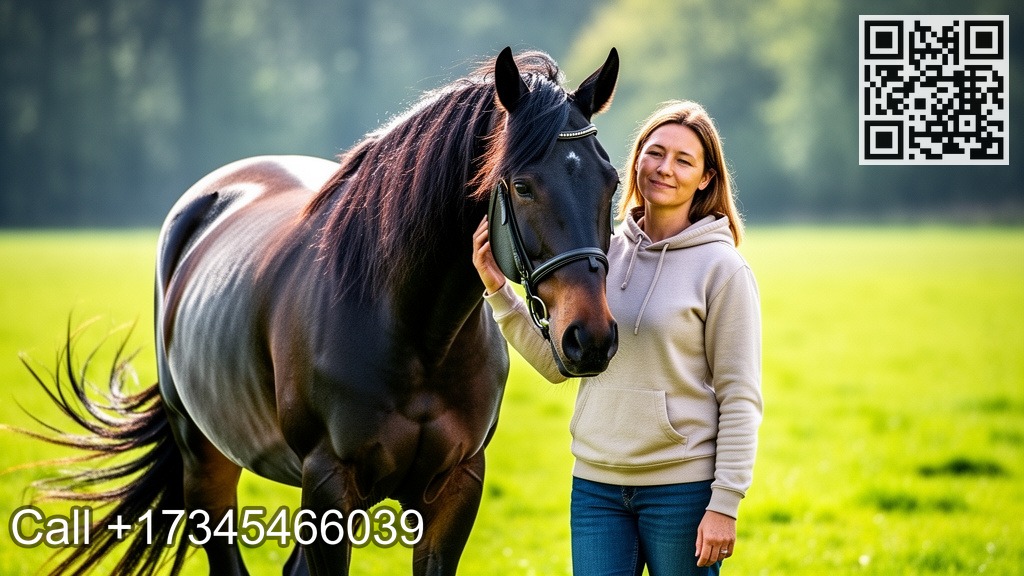
There are additionally limitations. Not every workout fits every steed or every team. I once shelved a popular job since it subtly motivated dragging. We upgraded it so the only method through was with selection. Our duty is to form tasks that honor the steed's company and the human's dignity.
And here is a quiet reality. Steeds do not hold animosities. They fulfill you as you are, each time. Bring a frenzied early morning right into the field and the equine will certainly show you what it costs. Reset your feet, take a breath, and ask cleanly, and the horse offers you a fresh shot. Lots of leaders require that suggestion, to offer the exact same elegance to their team and to themselves.
Getting started
If the concept of picking up from a thousand extra pounds of sincerity attract you, start little. Visit a reliable program. Watch a session. Notice your own breath when a mare ambles over and infuses your hand. Photo your group practicing one clear ask, one tidy release, in the places that matter: during a code review, a budget settlement, an individual handoff, the school pick-up line.
Equine-assisted mentoring is not a magic stick, but it is an unusual space where talk paves the way to reality that you can really feel in your bones. Within the larger umbrella of equine-assisted services, it offers leaders and groups a direct path to embodied skills. Pair it with extensive debriefs and on-the-job method, and those abilities will certainly hold under pressure.
We call the job lead with heart for a factor. The horse assists you locate the facility that people can trust. From there, approach lands, groups cohere, and job obtains human again.
Happy Hooves Wellness
9177 Gross Rd, Dexter, MI 48130
+17345466039
https://www.hhooves.com/